
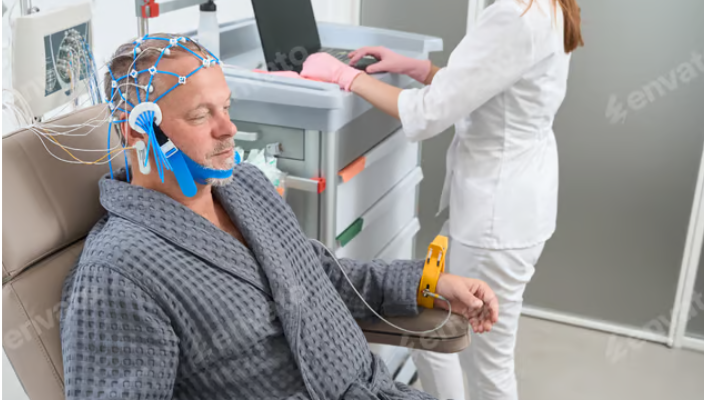
Understanding PostAcute Stroke Rehabilitation
Following initial medical treatment, stroke survivors often face challenges such as weakness, impaired coordination, speech difficulties, and cognitive changes. Post-acute rehab aims to address these by offering a multidisciplinary approach involving physical therapy to restore movement, occupational therapy to support daily functioning, speech and language therapy for communication and swallowing, and psychological support to manage emotional well-being.
Therapies and Techniques Commonly Used
Physiotherapy: Exercises that improve muscle strength, balance, and coordination, sometimes using robotic assistance or virtual reality to encourage movement.
Occupational Therapy: Practical training in tasks like dressing, eating, and personal hygiene to foster independence.
Speech Therapy: Techniques to recover or improve speech and swallowing abilities.
Neuropsychological Support: Activities to enhance memory, attention, and problem-solving skills.
Hydrotherapy: Water-based exercises that reduce joint strain and improve confidence in movement.
Facilities and Environment
A supportive rehab environment includes private rooms for rest, access to 24/7 nursing care, and specialized therapy spaces like gyms equipped with advanced rehabilitation technology and hydrotherapy pools. Family involvement and education are also key components, helping caregivers support ongoing recovery at home.
Conclusion
Stroke recovery requires patience, dedication, and comprehensive care tailored to the individual. Specialized rehabilitation centers equipped with multidisciplinary teams and modern facilities can significantly aid in regaining independence. If you or a loved one is entering the post-acute phase of stroke recovery, seeking professional rehabilitation support is an important step.