
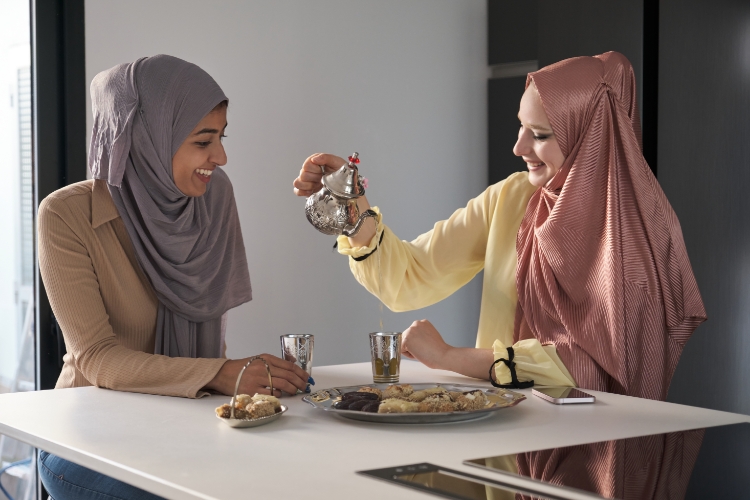
How to Prepare Yourself for Ramadan During Recovery
Ramadan is a time of spiritual reflection, devotion, and quality time with family. For individuals undergoing rehabilitation, whether neurological, orthopaedic, or post-surgical, preparing for Ramadan is essential to ensure that healing continues safely and effectively.
With medical guidance and careful planning, many patients can observe Ramadan while maintaining rehabilitation progress.
Discuss Ramadan Early with Your Care Team
Before any changes to your nutrition, sleep, or medication schedule, discuss your plans with your physician or rehabilitation specialist. They can create a personalised plan based on your current treatment and progress and provide recommendations that maintain your recovery through adjusted routines, hydration strategies, and safe activity levels.
Adjust Therapy Timings and Energy Levels
During Ramadan, discuss potential therapy timing adjustments with your rehabilitation team. Rehabilitation requires both physical and cognitive energy, and planning session schedules helps ensure therapy remains effective once fasting begins.
Many patients benefit from adjusted therapy timings, such as:
- Mid-morning sessions, following rest and hydration from Suhoor
- Post-Iftar sessions, when nutrition and fluids have been restored
By planning these adjustments, patients can reduce the impact of fatigue and dehydration, which may otherwise affect muscle performance, balance, and concentration during rehabilitation.
Prioritise Hydration and Nutrition
Work with your dietitian to develop a personalised plan that aligns with your rehabilitation goals and any medical restrictions. Meals should ideally be rich in lean proteins, fibre, and healthy fats to maintain muscle mass and stable energy levels, while limiting high-sugar or fried foods that can lead to fatigue or inflammation.
During Ramadan, gradually increase your water intake, and consider electrolyte-enriched fluids if approved by your medical team. This helps your body adapt to longer intervals without fluids and supports proper circulation, skin health, and joint function.
Proper nutrition supports muscle repair, nerve healing, and immune function, all critical during rehabilitation.
Protect Your Sleep and Recovery
Sleep patterns often change during Ramadan, which can affect recovery. Try to maintain consistent rest – aim for cumulative sleep hours rather than uninterrupted nighttime rest, if necessary. Good sleep hygiene practices, such as reducing screen time and creating a calm environment, can help manage fatigue and support healing.
Practical strategies include:
- Short daytime rest periods if advised
- Limiting caffeine after Iftar
- Maintaining consistent sleep-wake times whenever possible
Engage in Moderate Physical Activity Safely
Physical rehabilitation often involves structured exercise schedules. During Ramadan, you may need to modify timings or intensity. Gentle stretching, supervised physiotherapy, or low-intensity workouts scheduled later in the day can help maintain mobility and strength without overexertion. Always seek guidance before adjusting exercise routines.
Listen to Your Body
Watch out for signs of dehydration, dizziness, muscle fatigue, or delayed wound healing. If you notice any unusual symptoms, consult your care team promptly. They can help adapt your treatment plan to ensure your recovery continues smoothly.
Rehabilitation is not about pushing through discomfort but supporting safe and sustained healing.
Thoughtful preparation and medical collaboration are key to experiencing a healthy Ramadan while staying on track with your rehabilitation goals. At SRH, care plans are adapted to respect both health needs and personal values, ensuring recovery remains the priority.
Disclaimer
This information is provided by SRH, part of the Capital Health group, and is not intended to replace the medical advice of your doctor or health care provider. Please consult your health care provider for advice about a specific medical condition.